
About the Course
In this course we shall examine how the idea of "the modern" develops at the end of the 18th century, and how being modern (or progressive, or hip) became one of the crucial criteria for understanding and evaluating cultural change during the last two hundred years. We shall be concerned with the relations between culture and historical change, and our materials shall be drawn from a variety of areas: philosophy, the novel, and critical theory. Finally, we shall try to determine what it means to be modern today, and whether it makes sense to go beyond the modern to the postmodern.
Students should develop a historical, literary and philosophical understanding of some of the key themes of modernity and modernism in the West. They should learn to read classic and contemporary texts for their arguments, beauty and pertinence. They should see why these texts are “good to think with,” and, it is hoped, they will develop an appetite for further study in the areas covered by the course.
The Modern and the Postmodern traces the intertwining of the idea of modernity with the idea of art or culture from the late 18th century until the present. Beginning with the Enlightenment, Western cultures have invested heavily in the notion that the world can be made more of a home for human beings through the development of culture (and technology). Throughout this period there has also developed a strong, sophisticated counter-movement that sees the Enlightenment effort as a disaster – destructive of both art and of the world.
The Western idea of modernity is linked to but not the same as the idea of modernism. We will examine both in this class and then consider postmodernism in relation both to the philosophical idea of modernity and to the aesthetic considerations of modernism.
This course covers a lot of ground, historically, conceptually and aesthetically. There is much to read, and very different kinds of reading: from philosophy to novels, from theory to poetry. Not all students will like all the reading, but if you digest it all, you should have a clearer sense of the cultural history of our present.Students should develop a historical, literary and philosophical understanding of some of the key themes of modernity and modernism in the West. They should learn to read classic and contemporary texts for their arguments, beauty and pertinence. They should see why these texts are “good to think with,” and, it is hoped, they will develop an appetite for further study in the areas covered by the course.
About the Instructor(s)
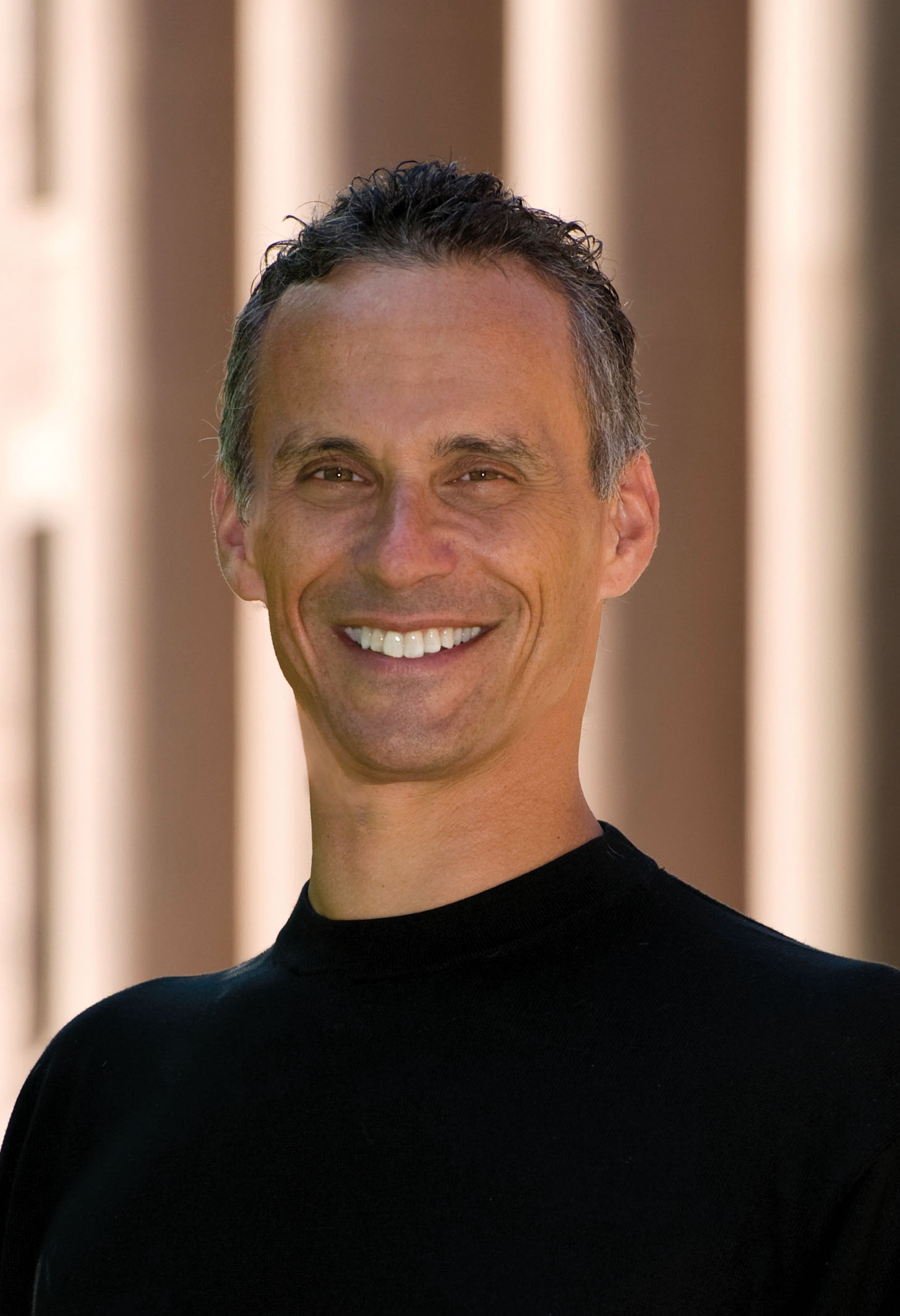 Michael S. Roth is president and University Professor at Wesleyan University.
Course Syllabus
Week I:Why is philosophy relevant to modernity? What are cultural and intellectual history and how are they related to philosophy?
Jean-Jacques Rousseau, "Discourse on the Arts and Sciences"
Immanuel Kant, “What is Enlightenment?”
Week II: — What is Enlightenment?
Jean-Jacques Rousseau, "Discourse on the Origins of Inequality"
Week III: — From Enlightenment to Revolution
Karl Marx, “Estranged Labor” from 1844 Manuscripts
Karl Marx and Friedrich Engels, The Communist Manifesto Begin reading Madame Bovary
Week IV: — Modernism and Art for Art’s SakeGustave Flaubert, Madame Bovary
Week V: — Re-Imagining the World
Charles Darwin, “Struggle for Existence,” “Natural Selection” and “Sexual Selection” from The Origin of Species (6th edition)
Darwin, “Conclusion” from The Descent of Man
Week VI: — From Struggle to Intensity
Charles Baudelaire, Paris Spleen Friedrich Nietzsche, Genealogy of Morals, essay 2
Week VII: — ReviewWeek VIII: — Intensity and the Ordinary: Sex, Death, Aggression and GuiltSigmund Freud, Civilization and its Discontents
Week IX: — Intensity and the Ordinary: Art, Loss, Forgiveness
Virginia Woolf, To the Lighthouse
Week X: — The Postmodern Everyday
Emerson, “Experience” or “Self-Reliance”
Ludwig Wittgenstein, Selections from Philosophical Investigations
Week XI: — From Critical Theory to Postmodernism
Horkheimer and Adorno, “The Concept of Enlightenment”
Michel Foucault, selections from Madness and Civilization
“What is Enlightenment?,” Foucault Reader
Week XII: — Review
Review and Blade Runner (Ridley Scott, 1982)
Alison Bechdel, Fun Home
Jennifer Egan “Ask Me if I Care,” The New Yorker (March 8, 2010): http://www.newyorker.com/fiction/features/2010/03/08/100308fi_fiction_egan
Jennifer Egan, “Out of Body” from A Visit from the Goon Squad
_____, “Black Box,” http://www.newyorker.com/online/blogs/books/2012/06/jennifer-egan-black-box.html
Week XIII: — Postmodern Identities
Judith Butler, "Introduction" from Undoing Gender (2004)
Slavoj Žižek, “You May!” London Review of Books, vol. 21 (March 1999)
Week XIV: — Postmodern Pragmatisms
Rorty, “Postmodern Bourgeois Liberalism” and Cornel West, “Prophetic Pragmatism” from Pragmatism: A Reader.
Anthony Appiah, “Cosmopolitan Contamination” from Cosmopolitanism: Ethics in a World of Strangers (2006), 101-113.
Bruno Latour, “Why Has Critique Run out of Steam? From Matters of Fact to Matters of Concern,” Critical Inquiry, Vol. 30, No. 2 (Winter, 2004), pp. 225-248.
Jean-Jacques Rousseau, "Discourse on the Arts and Sciences"
Immanuel Kant, “What is Enlightenment?”
Week II: — What is Enlightenment?
Jean-Jacques Rousseau, "Discourse on the Origins of Inequality"
Week III: — From Enlightenment to Revolution
Karl Marx, “Estranged Labor” from 1844 Manuscripts
Karl Marx and Friedrich Engels, The Communist Manifesto Begin reading Madame Bovary
Week IV: — Modernism and Art for Art’s SakeGustave Flaubert, Madame Bovary
Week V: — Re-Imagining the World
Charles Darwin, “Struggle for Existence,” “Natural Selection” and “Sexual Selection” from The Origin of Species (6th edition)
Darwin, “Conclusion” from The Descent of Man
Week VI: — From Struggle to Intensity
Charles Baudelaire, Paris Spleen Friedrich Nietzsche, Genealogy of Morals, essay 2
Week VII: — ReviewWeek VIII: — Intensity and the Ordinary: Sex, Death, Aggression and GuiltSigmund Freud, Civilization and its Discontents
Week IX: — Intensity and the Ordinary: Art, Loss, Forgiveness
Virginia Woolf, To the Lighthouse
Week X: — The Postmodern Everyday
Emerson, “Experience” or “Self-Reliance”
Ludwig Wittgenstein, Selections from Philosophical Investigations
Week XI: — From Critical Theory to Postmodernism
Horkheimer and Adorno, “The Concept of Enlightenment”
Michel Foucault, selections from Madness and Civilization
“What is Enlightenment?,” Foucault Reader
Week XII: — Review
Review and Blade Runner (Ridley Scott, 1982)
Alison Bechdel, Fun Home
Jennifer Egan “Ask Me if I Care,” The New Yorker (March 8, 2010): http://www.newyorker.com/fiction/features/2010/03/08/100308fi_fiction_egan
Jennifer Egan, “Out of Body” from A Visit from the Goon Squad
_____, “Black Box,” http://www.newyorker.com/online/blogs/books/2012/06/jennifer-egan-black-box.html
Week XIII: — Postmodern Identities
Judith Butler, "Introduction" from Undoing Gender (2004)
Slavoj Žižek, “You May!” London Review of Books, vol. 21 (March 1999)
Week XIV: — Postmodern Pragmatisms
Rorty, “Postmodern Bourgeois Liberalism” and Cornel West, “Prophetic Pragmatism” from Pragmatism: A Reader.
Anthony Appiah, “Cosmopolitan Contamination” from Cosmopolitanism: Ethics in a World of Strangers (2006), 101-113.
Bruno Latour, “Why Has Critique Run out of Steam? From Matters of Fact to Matters of Concern,” Critical Inquiry, Vol. 30, No. 2 (Winter, 2004), pp. 225-248.
Recommended Background
All are welcome!
Suggested Readings
Baudelaire Paris Spleen
Flaubert Madame Bovary
Freud Civilization & Its Discontents
Woolf To the Lighthouse (trade edition)
Alison Bechdel Fun Home: A Family Tragicomic<
Flaubert Madame Bovary
Freud Civilization & Its Discontents
Woolf To the Lighthouse (trade edition)
Alison Bechdel Fun Home: A Family Tragicomic<
Course Format
The class will consist of video lectures of about 15 minutes each. Students are expected to keep up with the readings that go along with the lectures. There will be quizzes integrated with the video lectures, two peer-graded writing assignments and a final examination.
FAQ
- Will I get a certificate after completing this class?Yes. Students who successfully complete the class will receive a certificate signed by the instructor.
- What resources will I need for this class?For this course, all you need is an Internet connection, copies of the texts (most of which can be obtained online), and the time to think hard about some of the important ideas that have defined the modern and contemporary world.
- What should I really hope to get out of this class?Students should develop a historical, literary and philosophical understanding of some of the key themes of modernity and modernism in the West. They should learn to read classic and contemporary texts for their arguments, beauty and pertinence. They should see why these texts are “good to think with,” and, it is hoped, they will develop an appetite for further study in the areas covered by the course.
No comments:
Post a Comment